
If you are injured in a car accident while working in Ohio, you may have more than one source of compensation available. Depending on how the crash occurred, you could qualify for workers’ compensation benefits through your employer while also pursuing a separate third-party claim against the driver who caused the accident.
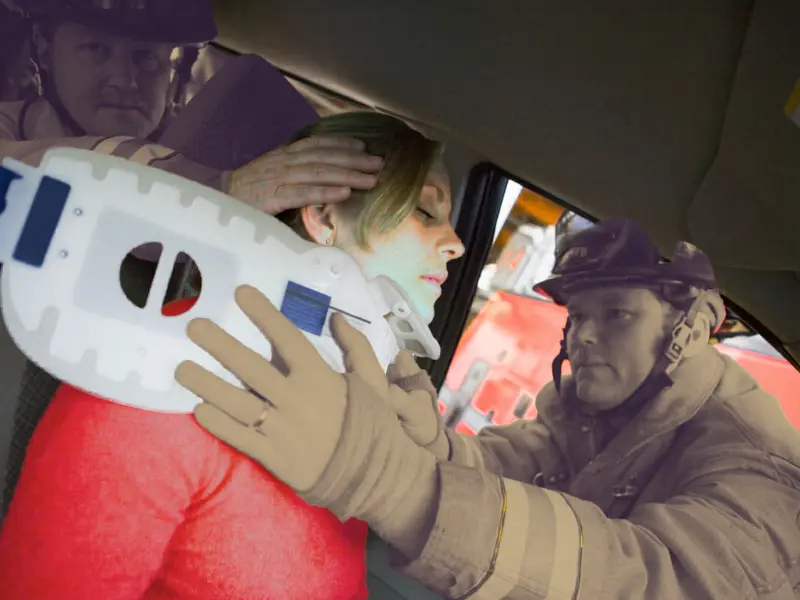
Many employees are unsure whether a work-related car accident falls under workers’ compensation, personal injury law, or both. These cases can become complicated because multiple insurance policies, liability questions, and legal rules may apply simultaneously. Delivery drivers, construction workers, home healthcare employees, sales representatives, truck drivers, and employees traveling between job sites are especially vulnerable to these types of accidents.
Understanding the difference between workers’ compensation for a car accident and a third-party injury claim is important because the type of claim you pursue may affect what compensation is available and who ultimately pays for your losses.
If you were injured in a work-related car accident in Ohio, contact Young, Reverman & Bolotin at (513) 400-0000 to discuss your legal options.
Table of Contents
Key Takeaways
- Employees injured in a car accident while working may qualify for workers’ compensation benefits in Ohio.
- Injured workers may also have the right to file a third-party claim against an at-fault driver.
- Workers’ compensation and personal injury claims provide different types of compensation.
- Liability and insurance issues often become more complex in work-related vehicle accidents.
- Prompt reporting and medical documentation may help protect your claim.
Does Workers’ Compensation Cover Car Accidents in Ohio?
Workers’ compensation may cover injuries caused by a car accident if the employee was acting within the scope of their job duties at the time of the crash. In Ohio, work-related driving responsibilities commonly include:
- Traveling between job sites
- Making deliveries
- Driving company vehicles
- Attending work meetings
- Running work-related errands
- Transporting equipment or materials
- Traveling for business purposes
If the accident occurred while performing job-related duties, the injured worker may qualify for workers’ compensation benefits regardless of who caused the collision.
However, not every crash that occurs during the workday automatically qualifies. Questions regarding workers’ comp eligibility often depend on whether the employee was actively engaged in work-related activities when the accident happened.
For example, commuting to and from work is generally treated differently than driving between assigned job locations during the workday. Similarly, substantial personal detours unrelated to work responsibilities may affect whether the injury qualifies for coverage.
Determining whether the accident occurred within the scope of employment often becomes one of the most important issues in these cases.
What Benefits Are Available Through Workers’ Compensation?
Workers’ compensation provides certain financial and medical benefits to employees injured on the job, including those hurt in work-related vehicle accidents.
Workers’ compensation benefits may include:
- Medical treatment coverage
- Wage replacement benefits
- Temporary disability payments
- Permanent disability benefits
- Rehabilitation services
- Mileage reimbursement for medical travel
Unlike a personal injury lawsuit, workers’ compensation does not generally require the employee to prove negligence by the employer. Instead, the system is designed to provide benefits regardless of fault in many work-related injury situations. However, workers’ compensation also has limitations.
For example, injured workers typically cannot recover damages for:
- Pain and suffering
- Emotional distress
- Loss of enjoyment of life
This becomes important when serious car accidents cause long-term physical limitations or significant emotional trauma.
Can You Sue the Driver Who Caused the Accident?
If another driver caused the collision, you may also have the right to pursue a third-party claim in addition to workers’ compensation benefits.
A third-party claim is separate from the workers’ compensation system. Instead of seeking benefits through your employer’s coverage, the injured worker pursues compensation directly from the negligent driver or their insurance company.
For example, if a distracted driver rear-ends a delivery driver who is working at the time of the crash, the injured employee may:
- Receive workers’ compensation benefits through their employer
- File a personal injury claim against the at-fault driver
This distinction is important because personal injury claims may allow recovery for damages not available through workers’ compensation, including:
- Pain and suffering
- Emotional distress
- Full lost income
- Future earning losses
- Loss of quality of life
In serious injury cases, the availability of a third-party claim may significantly increase the compensation available to the injured worker.
What Is the Difference Between Workers’ Comp and a Personal Injury Claim?
Although both claims may arise from the same accident, workers’ compensation and personal injury claims operate differently.
Workers’ compensation focuses primarily on providing medical treatment and wage-related benefits to injured employees regardless of fault. In exchange, employees are often limited in their ability to sue employers directly for ordinary negligence.
Personal injury claims, however, are fault-based. The injured person must prove another party caused the accident through negligent conduct.
Some key differences include:
| Workers’ Compensation | Personal Injury Claim |
| No need to prove employer fault | Must prove negligence |
| Covers medical bills and wage benefits | May include pain and suffering |
| Limited damages available | Broader compensation possible |
| Filed through workers’ compensation system | Filed against negligent party |
| Usually cannot sue employer directly | Can sue negligent third parties |
Many injured workers do not realize they may pursue both claims simultaneously after a work-related car accident.
What Happens if You Were Driving a Company Vehicle?
Company vehicle accidents can create additional legal and insurance complications.
Questions may arise regarding:
- Employer insurance coverage
- Commercial insurance policies
- Personal auto insurance
- Liability disputes
- Vehicle maintenance responsibility
Insurance companies often investigate whether the employee was acting within the scope of employment at the time of the crash. Employers may also review driving records, job duties, and company vehicle policies during the investigation.
Commercial vehicle accidents frequently involve larger insurance policies and more aggressive investigations because the potential financial exposure may be substantial.
In some situations, liability may involve multiple parties simultaneously, including:
- The at-fault driver
- The employer
- Vehicle owners
- Commercial insurers
- Maintenance companies
These cases often become more complex than ordinary car accident claims.
What if the Accident Was Partially Your Fault?
Workers’ compensation benefits may still be available even if the employee partially contributed to the crash. Unlike personal injury claims, workers’ compensation systems generally focus more heavily on whether the injury occurred during employment rather than assigning fault percentages between drivers.
However, fault may still become important in a third-party claim against another driver.
Insurance companies frequently investigate:
- Distracted driving
- Speeding
- Traffic violations
- Impaired driving
- Failure to follow roadway rules
Questions regarding fault may affect settlement negotiations and compensation amounts during personal injury claims involving third-party drivers. Cases involving shared fault often require detailed accident investigations and extensive evidence review.
Why Are Work-Related Car Accident Cases More Complicated?
Work-related car accident claims often involve overlapping legal systems, multiple insurers, and conflicting financial interests.
Involved parties may include:
- Workers’ compensation insurers
- Auto insurance companies
- Employers
- Third-party drivers
- Commercial insurers
- Healthcare providers
Additionally, workers’ compensation carriers may seek reimbursement from third-party settlements if they previously paid benefits related to the injury. Ohio workers’ comp laws contain detailed procedural rules governing claim filing, medical treatment approvals, disability benefits, and reimbursement rights. Because of these overlapping legal issues, injured workers often face confusion regarding which claim to pursue and what compensation may ultimately be available.
Should You Talk to a Lawyer After a Work-Related Car Accident?
Many people benefit from legal guidance after being injured in a car accident while working because these cases frequently involve complicated insurance and liability issues.
You may need to get an attorney if:
- Serious injuries are involved
- Multiple insurance companies are disputing liability
- Workers’ compensation benefits are denied
- A third-party driver caused the crash
- Medical treatment is extensive
- You cannot return to work
- Settlement offers seem too low
An experienced Ohio workers’ comp lawyer may help evaluate both workers’ compensation and personal injury options while protecting your right to pursue all available compensation.
Being injured in a car accident while working in Ohio can create financial, medical, and legal challenges that extend beyond an ordinary car crash. Understanding the difference between workers’ compensation for a car accident and a third-party claim may help you protect your rights and maximize recovery. If you were injured in a work-related vehicle accident, contact Young, Reverman & Bolotin at (513) 400-0000 to discuss your legal options.


