
When a car accident occurs, passengers are often left wondering who is responsible for their medical bills, lost wages, and other damages. Unlike drivers, passengers are rarely at fault for causing a collision. However, determining who ultimately pays for passenger injuries can become complicated when multiple vehicles, insurance policies, and liable parties are involved.
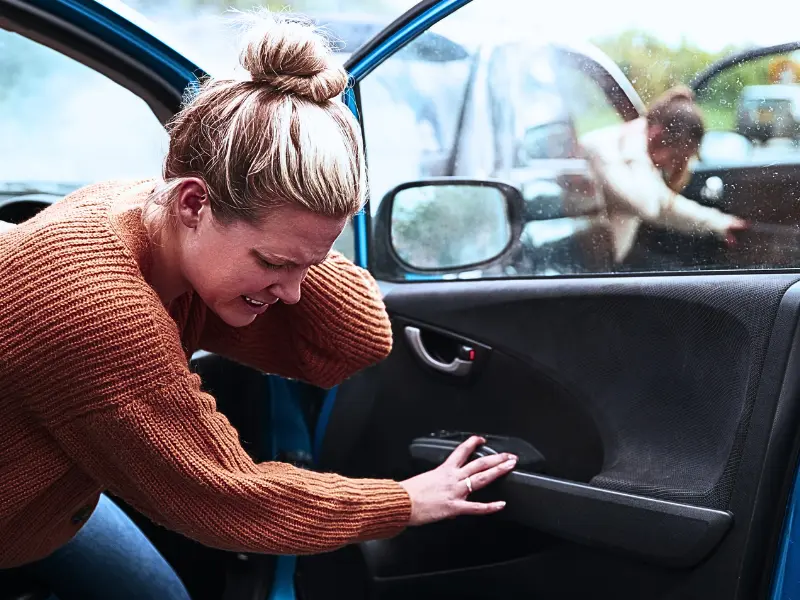
Understanding how Ohio law handles passenger injury claims can help you make informed decisions after an accident. Whether you were riding with a friend, family member, rideshare driver, or another motorist, knowing your rights is an important first step toward seeking compensation.
Key Takeaways
- Passengers are rarely responsible for causing a motor vehicle accident.
- One or more drivers may be liable for passenger injuries.
- Injured passengers can often pursue claims against the at-fault driver’s insurance.
- Multiple insurance policies may provide coverage after a crash.
- Medical expenses, lost income, and pain and suffering may be recoverable damages.
- Prompt medical treatment and documentation can strengthen a passenger injury claim.
If you were injured while riding in a vehicle, contact Young, Reverman & Bolotin at (513) 400-0000 to discuss your legal options.
Table of Contents
Who Is Usually Responsible for Passenger Injuries After a Car Accident?
In most cases, passengers have a stronger claim than drivers because they generally did not contribute to the collision. The primary question becomes identifying which driver or drivers caused the crash.
Liability may fall on:
- The driver of the vehicle carrying the passenger
- The driver of another vehicle
- Multiple drivers who share responsibility
- A commercial vehicle operator
- A government entity responsible for unsafe road conditions
- Another third party whose actions contributed to the accident
Because passengers are typically innocent parties, they often have access to compensation sources that may not be available to the drivers involved in the collision. The process begins with determining fault and identifying the insurance policies that may apply to the claim.
Can an Injured Passenger File a Claim Against the Driver of the Vehicle They Were Riding In?
Many passengers are surprised to learn they may have a valid claim against the driver of the vehicle they were riding in if that driver’s negligence contributed to the crash.
For example, a passenger may be injured because the driver:
- Was speeding
- Ran a red light
- Followed another vehicle too closely
- Drove while distracted
- Operated the vehicle under the influence
- Failed to yield the right of way
In these situations, the driver’s liability insurance may provide coverage for the passenger’s injuries.
Some passengers hesitate to pursue a claim because the at-fault driver is a friend or family member. However, claims are typically pursued against the driver’s insurance company rather than against the driver’s personal assets. Understanding this distinction can help passengers evaluate their options more objectively.
What Happens When Another Driver Causes the Accident?
When another motorist is responsible for the crash, passengers may pursue compensation through that driver’s liability insurance policy. This is often the most straightforward scenario. If the evidence clearly shows another driver caused the collision, the passenger’s claim may proceed against that driver’s insurer.Because passengers are generally not accused of causing the accident, disputes often focus on the extent of the injuries and the value of the claim rather than fault.
What If Multiple Drivers Share Responsibility?
Not every accident has a single at-fault driver. Multi-vehicle collisions and chain-reaction crashes often involve multiple parties whose actions contributed to the accident. In these situations, liability may be divided among several drivers. An injured passenger may have the ability to pursue compensation from more than one insurance policy.
Understanding Ohio’s fault laws can be important when multiple drivers share responsibility for a crash. Determining how fault is allocated may affect the insurance claims process and available compensation. When multiple policies are involved, investigations often become more complex as insurers attempt to shift responsibility to one another.
What Types of Compensation Can Passengers Recover?
Passengers who suffer injuries in an accident may be entitled to seek compensation for both economic and non-economic losses.
Economic damages typically include measurable financial losses such as:
- Emergency medical treatment
- Hospital bills
- Surgery costs
- Rehabilitation expenses
- Prescription medications
- Lost wages
- Future medical care
Non-economic damages often address the personal impact of an injury, including:
- Physical pain
- Emotional suffering
- Mental anguish
- Loss of normal activities
- Permanent impairment
- Reduced quality of life
The amount of compensation available depends on factors such as the severity of the injuries, the recovery period, and the long-term effects of the accident.
How Does Insurance Coverage Work for Passenger Injury Claims?
Passenger injury claims can involve several insurance policies. Depending on the circumstances, coverage may come from:
- The at-fault driver’s liability insurance
- The driver’s own insurance policy
- Multiple liable drivers’ insurance policies
- Uninsured motorist coverage
- Underinsured motorist coverage
- Commercial insurance policies
When injuries are serious, policy limits can become an important issue. If one policy is insufficient to cover the passenger’s damages, additional sources of coverage may need to be explored.
Are Passenger Injury Claims Different When a Child Is Injured?
Claims involving injured children often present unique legal and practical considerations.
Children may experience injuries differently than adults, and some injuries may not fully manifest until months or years after the accident. As a result, settlement decisions involving minors typically require additional scrutiny.
When a child is hurt in a crash, parents should pay close attention to medical evaluations, follow-up care, and documentation regarding the child’s recovery and future needs. Because children cannot pursue claims independently, parents or legal guardians generally act on their behalf throughout the claims process.
When Should an Injured Passenger Speak With a Lawyer?
While some passenger injury claims are relatively straightforward, others become complicated when liability is disputed, multiple insurance companies are involved, or serious injuries are present.
An experienced motor vehicle accident lawyer can help evaluate available insurance coverage, gather evidence, communicate with insurers, and determine the full value of a claim. Passengers often benefit from legal guidance when:
- Liability is disputed
- Multiple vehicles were involved
- Serious injuries occurred
- Insurance coverage is limited
- Settlement offers appear inadequate
- Long-term medical treatment is necessary
The earlier legal issues are identified, the easier it may be to preserve evidence and protect important rights.
Understanding Your Rights as an Injured Passenger
Because passengers are rarely responsible for causing accidents, they are often in a strong position to pursue compensation for their injuries. However, determining who pays for passenger injuries may still require a careful review of fault, insurance coverage, medical evidence, and the circumstances surrounding the crash.
Whether one driver or several parties contributed to the accident, injured passengers should focus on obtaining medical care, preserving evidence, and understanding the insurance resources available to them. Taking these steps can help protect both your health and your legal rights after a collision.
If you have questions about a passenger injury claim, contact Young, Reverman & Bolotin at (513) 400-0000 today.


