
When a dog attacks, bystanders and first responders who step in to help can end up as victims themselves. That is what happened recently when two Cincinnati police officers were injured during a dog attack in Hyde Park after officers responded to a separate call at a residence on Vista Avenue.
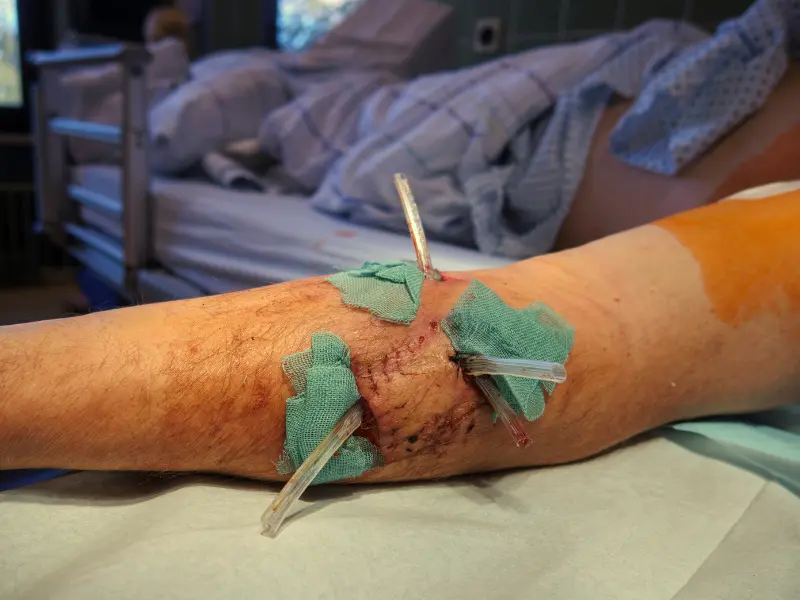
Under Ohio law, those rescuers may have the same right to pursue compensation as anyone else injured in a dog attack, and the dog’s owner does not need to have known the animal was dangerous.
If you were hurt in a similar situation, a dog bite lawyer at Young, Reverman & Bolotin can help you understand what your rights may be. Call (513) 400-0000 for a free consultation.
Table of Contents
Key Takeaways
- Two Cincinnati police officers were injured in a dog attack in Hyde Park after officers responded to a separate call at a residence on Vista Avenue.
- Ohio’s strict liability dog bite law generally holds owners responsible for injuries caused by their dog regardless of prior history.
- Rescuers, bystanders, and first responders bitten while intervening in a dog attack may have valid legal claims.
- If you or a loved one was injured in a dog attack in Cincinnati or the surrounding area, a dog bite lawyer can help you understand your options.
Understanding Ohio’s Strict Liability Dog Bite Laws
Ohio follows a strict liability standard for dog attacks. Under state law, the owner, keeper, or harborer of a dog is generally strictly liable for injuries, death, or property damage caused by the dog. Therefore, an injured person does not have to prove that the dog had previously shown aggressive behavior or that the responsible party acted negligently.
The owner, keeper, or harborer of a dog is liable for any injury, death, or loss to a person or property that the dog causes, unless the injury was caused to someone who was committing trespass or another criminal offense or who was teasing, tormenting, or abusing the dog on the owner’s property. Officers responding to an emergency call and fire department personnel rendering aid would not fall under any of those exceptions.
Can a Good Samaritan Sue for a Dog Bite Injury in Ohio?
In Ohio, individuals who step in to protect another person or an animal from a dog attack are fully protected under the state’s injury laws. Your role as a rescuer does not disqualify you from pursuing full compensation for your medical bills, lost income, and suffering.
That matters a great deal in situations like the Hyde Park incident. In that case, law enforcement officers responded to an assault call. The dog reportedly broke free from the officer who was attempting to restrain it while first responders were attending to the assault victim, identified as the dog’s owner. The dog attacked the first responders, injuring two, and bit its owner.
The Legal Exception: Does the “Rescue Doctrine” Apply?
In many personal injury cases, an insurance company might try to argue “assumption of risk,” claiming you knew a situation was dangerous and chose to involve yourself anyway. However, assumption of the risk is not a permissible defense to an action for a dog bite in Ohio. An owner cannot argue that a first responder, a neighbor, or a passerby accepted the risk of getting bitten simply by stepping in to help.
Furthermore, the legal framework known as the Rescue Doctrine specifically shields individuals who intervene to prevent harm against accusations of provocation. If your actions were a reasonable response to an ongoing emergency, the owner’s defense will likely fail in a court of law.
Types of Compensation Available for Injured Rescuers
Dog attack injuries can range from deep lacerations and nerve damage to broken bones, scarring, and lasting psychological effects. Ohio law provides multiple categories of damages that injured victims may pursue. These can include:
- Medical expenses: Emergency room visits, surgeries, stitches, antibiotics, and physical therapy.
- Costs of ongoing treatment: Future scar revision surgeries or mental health counseling for trauma/PTSD.
- Lost wages: Financial recovery if your injuries prevent you from working or returning to your job.
- Pain and suffering: Compensation for the physical pain and emotional distress caused by the attack.
The dog’s owner in the Hyde Park incident was present at the residence when the attack occurred. That detail may be relevant when determining who bears legal responsibility. If you were bitten or injured while trying to help someone else during a dog attack in Cincinnati, your role as a rescuer does not disqualify you from pursuing compensation under Ohio law.
Frequently Asked Questions About Dog Bite Claims in Ohio
Can I file a claim if I was bitten while trying to help someone else during a dog attack?
Potentially, yes. Ohio’s strict liability law covers injuries caused by a dog to any person who was not trespassing, committing a crime, or provoking the animal. If you stepped in to help and were bitten, you may have a valid claim against the dog’s owner, keeper, or harborer.
Does it matter if the dog had never bitten anyone before?
No. Ohio does not follow the “one bite rule.” The dog’s owner can be held strictly liable even if the animal had no known history of aggression. You do not need to prove the owner was aware of any prior dangerous behavior.
What happens if the dog owner claims I provoked the animal?
If a dog owner claims you provoked the animal, the burden of proof rests on the owner to demonstrate that your actions caused the aggression. Ohio courts interpret provocation strictly. To successfully bar your recovery, the owner must show that you engaged in behavior that would naturally incite an animal to attack, such as hitting, kicking, or teasing the dog. Merely stepping between an aggressive dog and a victim does not generally meet the legal threshold for provocation.
How long do I have to take legal action after a dog attack in Ohio?
In Ohio, the statute of limitations for filing a personal injury lawsuit based on a dog bite is generally two years from the date of the incident. This timeline applies to both strict liability statutory claims and general negligence claims. If you fail to file a lawsuit within this two-year window, you may permanently lose your right to seek compensation through the court system. Therefore, starting the process early is beneficial.


