
Bridge and ramp accidents present unique risks for drivers throughout the Cincinnati area. With tight merges, sudden elevation changes, and heavy commuter traffic, these locations often leave little room for error. If you regularly travel highways like I-71, I-75, or I-275, you have likely encountered the conditions that make these areas more hazardous than standard roadways.
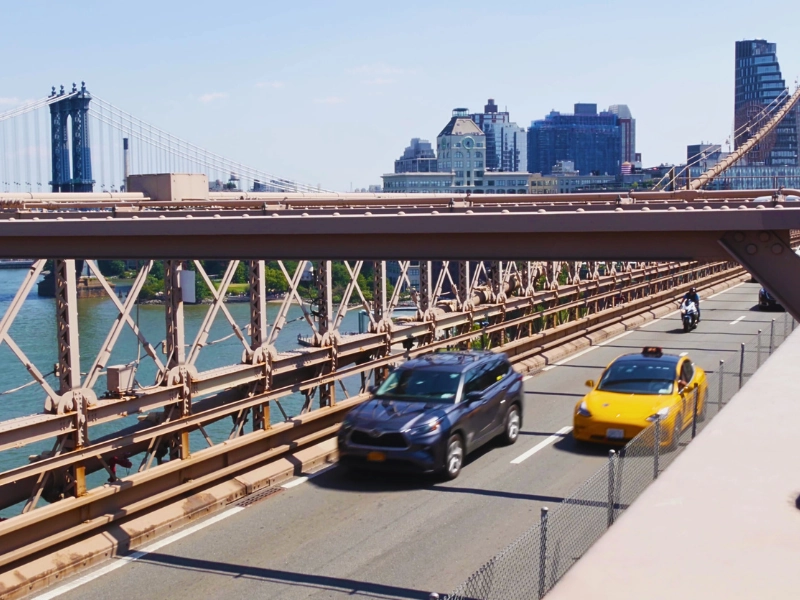
Understanding why bridge and ramp accidents in Cincinnati are so dangerous can help you make safer driving decisions and better protect your rights if a collision occurs.
If you were injured in a crash, you can speak with Young, Reverman & Bolotin at (513) 400-0000 to discuss your legal options and next steps.
Table of Contents
Key Takeaways
- Bridge and ramp accidents often involve limited space, sudden merges, and reduced visibility
- Traffic congestion and stop-and-go traffic increase the likelihood of rear-end collisions
- Driver behavior, including distracted driving, is a major contributing factor
- Certain locations, including major river crossings, see higher accident rates
- Legal guidance from a qualified attorney can help you recover compensation after a crash
Why Bridges and Ramps Are High-Risk Areas
Bridges and ramps combine multiple risk factors into a single driving environment. You are often dealing with constrained space, fast-moving traffic, and complex roadway design all at once. These elements create a setting where even minor driver errors can lead to serious consequences.
Limited Space and Narrow Lanes
Unlike standard highways, bridges and ramps are designed with structural constraints. Lanes are often narrower, shoulders are minimal or nonexistent, and barriers leave no room for evasive maneuvers. If a driver makes a mistake, there is rarely space to recover. Even minor misjudgments can result in multi-vehicle collisions or chain reactions, especially during peak traffic hours.
Sudden Merges and Short Acceleration Lanes
On-ramps require drivers to accelerate quickly and merge into fast-moving traffic. In many areas around Cincinnati, these merging zones are shorter than ideal. Drivers must make split-second decisions, often while competing for space with other vehicles. This creates confusion and increases the risk of sideswipe and rear-end collisions. When drivers hesitate or misjudge speed, the results can escalate quickly.
Elevation Changes and Reduced Visibility
Bridges often include inclines, declines, and curves that limit a driver’s line of sight. You may not be able to see stopped traffic or hazards ahead until it is too late. According to the Federal Highway Administration, roadway design factors such as visibility and alignment play a role in crash frequency. These risks are amplified on bridges and ramps where sightlines are restricted.
Traffic Congestion and Its Impact
Traffic volume is one of the defining characteristics of Cincinnati’s bridge and ramp system. These routes serve as essential connections for commuters, commercial vehicles, and interstate travel, which leads to frequent congestion throughout the day.
High Volume of Commuters
Cincinnati’s bridge systems connect Ohio and Kentucky, making them essential corridors for daily commuters and commercial traffic. The high volume of vehicles increases congestion, particularly during rush hours. This congestion leads to unpredictable traffic patterns, sudden braking, and aggressive driving behaviors.
Stop-and-Go Traffic Conditions
One of the most common contributors to accidents in these areas is stop-and-go traffic. Drivers frequently accelerate and brake in quick succession, which raises the likelihood of rear-end collisions. Even a momentary lapse in attention can cause a chain reaction involving multiple vehicles. On a bridge or ramp, the confined space makes these incidents more severe.
Driver Behavior Plays a Major Role in Bridge and Ramp Accidents in Cincinnati
While road design contributes to risk, driver behavior often determines whether an accident occurs. Unsafe habits can quickly turn already challenging conditions into dangerous situations.
Distracted Driving
Modern driving distractions, including smartphones and in-vehicle technology, significantly increase accident risk. On bridges and ramps, where conditions already demand heightened awareness, distractions can be especially dangerous. Many crashes are linked to distracted driving, where drivers fail to notice slowing traffic or merging vehicles in time to react.
Speeding and Aggressive Driving
Drivers often speed to merge onto highways or to beat congestion. Aggressive behaviors such as tailgating, lane weaving, and abrupt lane changes are common in these high-pressure environments. These actions reduce reaction time and increase the severity of collisions when they occur.
Structural and Environmental Factors
In addition to traffic and driver behavior, environmental conditions can further increase the danger of bridge and ramp driving. These factors are often outside your control, which makes awareness and preparation even more important.
Weather Conditions
Bridges are more exposed to the elements than other roadways. Rain, ice, and wind can affect traction and vehicle control. In colder months, bridges freeze faster than regular roads, creating hazardous driving conditions. Slippery surfaces combined with high speeds can lead to loss of control, especially on curved ramps.
Lack of Escape Routes
On standard roads, drivers may have the option to steer onto a shoulder or into another lane to avoid a crash. On bridges and ramps, barriers and limited space eliminate these options. When an accident occurs, other drivers have fewer ways to avoid becoming involved, which increases the likelihood of multi-vehicle collisions.
High-Risk Locations in Cincinnati
Certain locations in Cincinnati consistently present higher risks due to traffic density and roadway complexity. Recognizing these areas can help you approach them with greater caution.
For example, the Brent Spence Bridge is a hot spot for accidents because it carries a high volume of both local and interstate traffic. With multiple lanes, merging points, and daily congestion, this bridge presents many of the risk factors discussed above. Drivers navigating this area must remain especially alert.
Common Types of Bridge and Ramp Accidents
Accidents on bridges and ramps tend to follow patterns due to the conditions present. Understanding these common crash types can help you anticipate risks.
Rear-End Collisions
These are among the most frequent accidents in congested areas. Sudden stops and inconsistent traffic flow make it difficult for drivers to maintain safe following distances.
Sideswipe Accidents
Merging lanes and tight spaces increase the risk of sideswipe collisions. These often occur when drivers fail to check blind spots or misjudge another vehicle’s position.
Multi-Vehicle Pileups
Due to limited space and high traffic density, a single accident can quickly involve multiple vehicles. These incidents are more likely to result in serious injuries and complex liability issues.
Legal Considerations After a Crash
After a bridge or ramp accident, legal and insurance issues can become complicated quickly. Knowing what to expect can help you take the right steps.
Determining Fault
Bridge and ramp accidents often involve multiple parties, making fault determination more complicated. Liability may involve one or more drivers, and in some cases, roadway design or maintenance issues could also play a role. A thorough investigation is essential to identify all contributing factors and responsible parties.
Importance of Legal Representation
If you are injured in a crash, working with a qualified motor vehicle accident lawyer can make a difference in your case. An attorney can help gather evidence, negotiate with insurance companies, and pursue compensation for medical expenses, lost wages, and other damages.
Without proper legal guidance, you may face challenges in proving fault or securing fair compensation.
Bridge and ramp accidents can lead to serious injuries and complicated legal situations. Understanding the risks and knowing your options can help you protect both your safety and your rights. If you have been involved in a crash, contact Young, Reverman & Bolotin at (513) 400-0000 for experienced legal guidance.


