
Recently, a driver experiencing a medical emergency crashed into the pharmacy side of a Kroger on West Eads Parkway in Lawrenceburg, injuring at least one person. When vehicle-into-building crashes such as this occur, it raises immediate questions about fault, store safety, and whether the property owner took reasonable steps to protect customers.
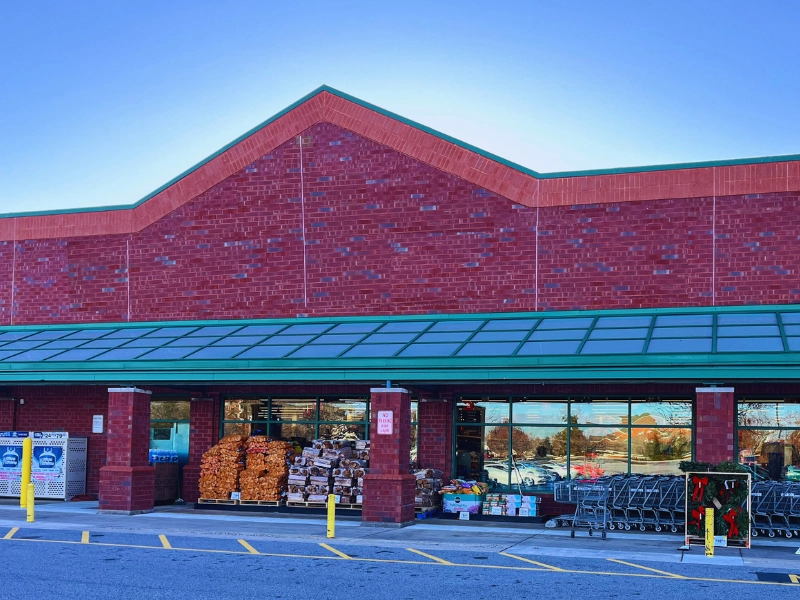
In many cases, responsibility doesn’t stop with the driver. Indiana law allows injured shoppers to pursue claims against retail stores and property owners when poor design, lack of barriers, or ignored risks contribute to the harm. A premises liability lawyer can evaluate whether negligence played a role and identify all available sources of compensation.
If you or a family member were injured in a vehicle-into-building crash, Young, Reverman & Bolotin can help assess your legal options. Call 513-400-0000 to discuss how Indiana premises liability law may apply to your situation.
Table of Contents
Does Premises Liability Apply to Vehicle-Into-Building Accidents?
Premises liability is a legal concept that holds property owners responsible for maintaining safe conditions for visitors. In Indiana, this duty extends beyond addressing wet floors and broken stairs. When a vehicle crashes into a building, the central legal question becomes: Could the property owner have taken reasonable steps to prevent or minimize the harm?
Under state law, property owners are required to exercise reasonable care to keep their premises safe for invitees, people invited onto the property for business purposes, such as shoppers at a retail store. This duty includes protecting against foreseeable risks, and vehicle strikes fall within that category.
According to the Storefront Safety Council, vehicle-into-building crashes cause about 2,600 deaths across the U.S. each year, and up to 16,000 people are injured annually due to this type of serious car accident.
The incident in Lawrenceburg involved a medical emergency, one of the most common causes of vehicle-into-building crashes. When drivers experience heart attacks, strokes, seizures, or other sudden medical crises, they lose control of their vehicles. Property owners cannot claim these events are unforeseeable, as national data clearly demonstrates their frequency.
When Are Property Owners Liable for Vehicle-Into-Building Crashes?
A premises liability lawyer examines several key factors when determining if a property owner shares fault in a vehicle-into-building crash:
Lack of Physical Barriers or Bollards
The absence of bollards, reinforced barriers, or other protective structures between parking areas and building entrances may constitute negligence. Retail establishments with parking spaces directly adjacent to entrances face heightened risk of vehicle-into-building crashes.
In the Lawrenceburg crash, the vehicle struck the pharmacy side of the Kroger, typically a high-traffic area where customers regularly pull up to pick up prescriptions. Areas with predictable, heavy vehicle traffic may require protective bollards or barriers to prevent vehicle-into-building accidents.
If similar stores in similar locations have installed protective barriers, the failure to do so may be viewed as unreasonable under Indiana premises liability law.
Dangerous Parking Lot Design
Poorly designed parking lots contribute to vehicle-into-building crashes. Risk factors include:
- Angled parking spaces that direct vehicles toward building entrances
- Inadequate turning radius near storefronts
- Confusing traffic patterns that increase collision risk
- Parking spaces positioned too close to building entrances
Indiana premises liability law requires property owners to maintain reasonably safe premises. A parking lot layout that funnels vehicle traffic toward building entrances without adequate safeguards may breach this duty.
History of Previous Vehicle Strikes
If a retail property has experienced previous vehicle strikes or near-misses, the owner’s knowledge of this risk becomes critical evidence in a premises liability case. Continued failure to address a known hazard strengthens a negligence claim.
Even without prior incidents at a specific location, the national frequency of vehicle-into-building crashes places all retail property owners on notice. A premises liability lawyer may demonstrate that these incidents are statistically foreseeable.
Failure to Meet Industry Safety Standards
While building codes establish minimum standards, compliance alone doesn’t shield property owners from liability. Industry best practices for preventing vehicle-into-building crashes inform what constitutes reasonable care under Indiana law.
How Do You Prove Negligence in a Vehicle-Into-Building Crash?
To establish premises liability against a property owner in Indiana after a vehicle-into-building accident, your premises liability lawyer must prove four legal elements:
- Duty of Care: The property owner owed a duty to maintain safe premises for customers and visitors
- Breach of Duty: The property owner failed to meet the standard of reasonable care by not installing protective barriers or addressing dangerous conditions.
- Causation: The property owner’s breach directly contributed to your injuries in the vehicle-into-building wreck.
- Damages: You suffered actual harm, including medical expenses, lost wages, pain and suffering, or other losses.
To establish these elements, your premises liability lawyer will gather evidence such as photographs and video of the accident scene, building and parking lot design plans, and records of previous vehicle strikes at the location. Additionally, they may put forth industry safety standards for retail establishments, expert testimony from engineers and safety specialists, and accident reconstruction analysis showing how barriers would have prevented the crash.
In Lawrenceburg and throughout Indiana, preserving this evidence quickly is essential. Property owners often make repairs or install protective measures shortly after an incident, potentially eliminating crucial proof.
Who Is Liable When Multiple Parties Are at Fault?
Vehicle-into-building accidents typically involve questions about shared liability. The driver bears primary responsibility in most cases, but Indiana’s modified comparative fault system allows injured property owners to recover damages from property owners even when drivers share blame, as long as the injured person is less than 51% at fault.
Consider a scenario like the Lawrenceburg incident: a driver experiences a medical emergency and crashes through a storefront. The driver may bear limited or no fault due to the unforeseeable medical crisis. However, if the property owner knew that vehicle-into-building crashes a represent a foreseeable risk and failed to install bollards despite this knowledge, the property owner may bear substantial liability.
Speak With a Premises Liability Lawyer About Your Options
Vehicle-into-building crashes demand careful investigation. Surveillance footage, site plans, prior incident reports, and maintenance records can disappear quickly. Early legal review helps protect critical evidence and clarify responsibility.
If you were injured inside a retail store or near its entrance, contact Young, Reverman & Bolotin at 513-400-0000. A premises liability lawyer can explain how Indiana law applies and whether the store, property owner, or other parties may be held accountable.


